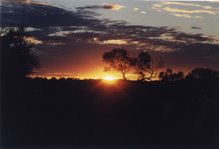
Well, it has finally come time to leave the Solomon Islands. After a couple of long nights of partying, great fish prepared by our captain and saying goodbye to all of our new friends, we departed Ghizo Harbor for the last time. Having cleared customs, we are going to take our time making our way up to Papua New Guinea. A series of day sails, fifty miles or so being the longest, we will travel through some even more remote and rarely visited islands, particuarly the Shortlands, the most remote islands in the Solomon Archipelago.
Last night, we stopped in Ranonga. This was the island I previously visited that had been lifted out of the water after the big earthquake earlier in the year. It was on our route to PNG, and everyone else on board who had not yet seen Ranonga, wanted to not only see the way it has been lifted out of the sea, but also visit our friend Waldie and meet the owners of the guesthouse where I stayed. Once there, Bill and I thought it would be a good idea to invite them all on board for dinner. Having purchased a couple of beautiful fish in the market before leaving Ghizo, I was able to prepare some tuna, mahi mhai, and blue fin trevali for everyone. Gilly and Gladis, the owners of the guest house showed up first with some of there freshly squeezed lemonade and two plates full of yams, papayas and cucumbers all picked fresh from their garden. As I was finishing preparing dinner, Waldie and his family showed up with another plate of fish and some kasavas Waldie had baked in a traditional oven, using hot stones buried beneath the ground.
I think other than Waldie, none of the others had ever set foot onto a yacht before. They had all seen a few of them come to their harbor each year, but none had ever been invited on board, especially not for dinner. As everyone arrived, it began to rain which cancelled our plans for a typical dinner on deck. Somehow, we managed to stuff our four crew and six guests down below, complete with the heat being generated from the small oven and stove on board as well as kerosene lanterns on the walls. The generosity and manners of our visitors was overwhelming. I never expected them to show up with as much food as we were preparing to serve them. Not to mention the fact that all of us who live on board were probably the worst dressed ones on the boat! All our visitors had made an effort to look nice as if they were on their way to a Sunday morning church service.
After thinking there was room for nothing more, Monica brought out a wonderful surprise for our guests, freshly baked chocolate chip cookies. I don’t know that they had ever eaten anything like this before, especially not homemade cookies. Maybe they had tried something similar that they found on another island in a small store, but this was a real treat for them. It was fantastic to see their reactions at the taste of so sweet a snack. They ate all of the cookies until there was nothing more than a plate of crumbs left on the table. The entire night was an experience that has created a memory that will last a life time. To share a meal with such a wonderful group of people while exchanging stories about the places we have been and their experience with the tsunami and earthquake was in itself worth the visit to the Solomon Islands.
Friday, September 28, 2007


Friday, August 3, 2007
Helping Waldie rebuild his home
As the small motorboat departed the harbor on a windy day here in the Solomon Islands, I wasn’t sure how safe the journey to Ranonga would actually be. It was pretty windy and the small boat filled with coconuts, kasavas and several other local islanders looked like it could easily dissappear beneath even the smallest waves. The sun was slowly setting and there were plenty of rain clouds on the horizon. It was only when the locals began to chatter and point to the horizon that I began to become the slightest bit nervous. There was a big rain storm moving across the horizon and blocking our way to the island of Ranonga. As the storm moved in, the waves became bigger and the island which previously could be clearly seen dissappeared. The rain began falling and some of the waves were washing over the side. Fortunately my skipper was prepared and began handing out the plastic bottles that had been cut in half so that we could scoop out all of the excess water now filling our boat. This was definitely travelling Solomon style!
Unscathed, my friend Waldie and I pulled into Buri harbor on the island of Ranonga. This would be the beginning of an amazing experience! I met Waldie here in Ghizo when we first arrived. A local carver, he came out to the boat to try and sell some of his work in exchange for our solar panels. He was a very well spoken and well dressed man who had done a bit of work on other boats in the harbor so the captain agreed to trade him the solar panels off the boat for his services. He was to carve a panel with the boats name and some dolphins on it to go inside the saloon of Seawanhaka. On our subsequent visits to Ghizo, we always bumped into Waldie. His wife was here in the hospital waiting to have a baby. Over time we got to know him pretty well and after talking to him one night about the house that he was trying to rebuild (the other one collapsed in the earthquake), I offered to come spend some time on his island to help with the rebuilding.
The boat dropped Waldie and I off on what used to be a coral reef. Since the earhquake and tsunami, the entier island of Ranonga has been lifted up about eight or nine feet. All of the coastline has changed dramatically and all of the coral reefs are now sticking up out of the water. It is sad sight to see how an island that once had this amazing and beautiful coastline was now surrounded by dead coral, mud, sand and debris. The owner of the guesthouse walked out across all of the exposed coral to greet me and showed me to my room. After a short discussion, Waldie paddled his canoe across the bay to his home and I settled into the Emusa lodge.
Upon entering the open air lodge, I immediately felt relaxed. The owners, Gilly and Gladis had provided me with fresh flowers in every room and the kerosene lanterns were already lit. They showed me the toilet and the buckets of water used to flush them, followed by a small enclosure with another large bucket of water, thus known as the shower. It was actually pretty luxurious compared to living on a boat and I was excited to have a quiet place to myself for a few days. After showing me around, Gilly walked across his garden to his home, leaving me to cook a nice meal of canned meat and instant noodles.
The next morning began with a relaxing cup of coffee and watching the sunrise over Buri harbor. Waldie showed up shortly after with his canoe and a paddle for me and we made our way across the bay to his home. After a quick intronduction and tour of his land along with Buri village, we started working. Work commenced at about the pace I expected here in the Solomons. I would guess that the work that Waldie, his brother in law and I completed by the end of the first day could have been done in just a couple of hours back home. Having nailed down and trimmed all of the floor joists, I think Waldie was a happy man. By this time we were out of materials and there would be no further work to do on his house for the rest of the trip.
In the afternoon, we paddled the canoe across the bay to another portion of the village where the remains of his fathers house were. We torn down several good sections of stud walls and slid them down the hill and across the bush. When they would slide no further, four of us carried them down to the beach where they would lie until the next morning when the tide would come up allowing us to bring a canoe closer in to ship them back across the harbor. Sure enough, the next morning, there I was, sitting in a dugout canoe with three sections of stud walls hanging off the sides of it. These things were probably eight foot square and we looked like one of these emails you would see with someone carrying something is some ridiculous or strange way. A couple of runs across and we were through with that project. While Waldie went to work on carving some spoons for the Polish couple on board our boat, I built him a large box to keep his new chainsaw in. I think his chainsaw came from one of the local relief agencies. They distributed a bunch of them to the villagers to allow them to cut timber and rebuild all of their homes.
The second day was concluded with dinner back at the lodge with Waldie. His father had gone out fishing and his wife had prepared some kasavas and some thin bread sticks she called pencil cakes. It was a wonderful dinner to share with Waldie back at the guesthouse. Later on that night, Gilly joined us and I entertained him and Waldie by playing songs from my ipod on my portable speakers. They were fascinated by the device, as well as all of the pictures I had taken of the islands. It was entertainment enough for me to see the smile on their faces with each song I would play or with each photo I would show them.
On our third and last working day, Waldie had run out of projects for me to do so he, Gilly and Gilly’s son took me to another small island for a Solomon stly picnic. We departed the harbor and pulled out into a windy sea where we stowed away our paddles and Gilly and his son proceeded to pull out their Solomon style sail. Basically, it consisted of two sticks and an old thin blanket. Amazingly, it got the job done and blew us across the sea to our destination a couple of miles away. When we arrived at the island, I could imagine what it would have looked like before the earthquake. White sand beaches, clear water, and great snorkelling. Now, only a hint of that beauty remained with the enitre reef poking out of the water and the sand covered in debris washed over from the tsunami. Gilly and his son took the canoe out for some spear fishing while Waldie and I explored a bit of the island. After our short journey across this tiny island, Waldie and I began a small bush fire where he proceeded to cook some kasava and rice for our meal. Gilly and his son returned with sixteen small reef fish and proceeded to build a pretty big fire along the beach. When the wood had burned, they spread out the coals and threw the fish right on top. The fish were flipped and roasted on both sides and just like that we had a wonderful Solomon style meal. A wonderful trip with the kindest and friendliest people I have ever met.
Unscathed, my friend Waldie and I pulled into Buri harbor on the island of Ranonga. This would be the beginning of an amazing experience! I met Waldie here in Ghizo when we first arrived. A local carver, he came out to the boat to try and sell some of his work in exchange for our solar panels. He was a very well spoken and well dressed man who had done a bit of work on other boats in the harbor so the captain agreed to trade him the solar panels off the boat for his services. He was to carve a panel with the boats name and some dolphins on it to go inside the saloon of Seawanhaka. On our subsequent visits to Ghizo, we always bumped into Waldie. His wife was here in the hospital waiting to have a baby. Over time we got to know him pretty well and after talking to him one night about the house that he was trying to rebuild (the other one collapsed in the earthquake), I offered to come spend some time on his island to help with the rebuilding.
The boat dropped Waldie and I off on what used to be a coral reef. Since the earhquake and tsunami, the entier island of Ranonga has been lifted up about eight or nine feet. All of the coastline has changed dramatically and all of the coral reefs are now sticking up out of the water. It is sad sight to see how an island that once had this amazing and beautiful coastline was now surrounded by dead coral, mud, sand and debris. The owner of the guesthouse walked out across all of the exposed coral to greet me and showed me to my room. After a short discussion, Waldie paddled his canoe across the bay to his home and I settled into the Emusa lodge.
Upon entering the open air lodge, I immediately felt relaxed. The owners, Gilly and Gladis had provided me with fresh flowers in every room and the kerosene lanterns were already lit. They showed me the toilet and the buckets of water used to flush them, followed by a small enclosure with another large bucket of water, thus known as the shower. It was actually pretty luxurious compared to living on a boat and I was excited to have a quiet place to myself for a few days. After showing me around, Gilly walked across his garden to his home, leaving me to cook a nice meal of canned meat and instant noodles.
The next morning began with a relaxing cup of coffee and watching the sunrise over Buri harbor. Waldie showed up shortly after with his canoe and a paddle for me and we made our way across the bay to his home. After a quick intronduction and tour of his land along with Buri village, we started working. Work commenced at about the pace I expected here in the Solomons. I would guess that the work that Waldie, his brother in law and I completed by the end of the first day could have been done in just a couple of hours back home. Having nailed down and trimmed all of the floor joists, I think Waldie was a happy man. By this time we were out of materials and there would be no further work to do on his house for the rest of the trip.
In the afternoon, we paddled the canoe across the bay to another portion of the village where the remains of his fathers house were. We torn down several good sections of stud walls and slid them down the hill and across the bush. When they would slide no further, four of us carried them down to the beach where they would lie until the next morning when the tide would come up allowing us to bring a canoe closer in to ship them back across the harbor. Sure enough, the next morning, there I was, sitting in a dugout canoe with three sections of stud walls hanging off the sides of it. These things were probably eight foot square and we looked like one of these emails you would see with someone carrying something is some ridiculous or strange way. A couple of runs across and we were through with that project. While Waldie went to work on carving some spoons for the Polish couple on board our boat, I built him a large box to keep his new chainsaw in. I think his chainsaw came from one of the local relief agencies. They distributed a bunch of them to the villagers to allow them to cut timber and rebuild all of their homes.
The second day was concluded with dinner back at the lodge with Waldie. His father had gone out fishing and his wife had prepared some kasavas and some thin bread sticks she called pencil cakes. It was a wonderful dinner to share with Waldie back at the guesthouse. Later on that night, Gilly joined us and I entertained him and Waldie by playing songs from my ipod on my portable speakers. They were fascinated by the device, as well as all of the pictures I had taken of the islands. It was entertainment enough for me to see the smile on their faces with each song I would play or with each photo I would show them.
On our third and last working day, Waldie had run out of projects for me to do so he, Gilly and Gilly’s son took me to another small island for a Solomon stly picnic. We departed the harbor and pulled out into a windy sea where we stowed away our paddles and Gilly and his son proceeded to pull out their Solomon style sail. Basically, it consisted of two sticks and an old thin blanket. Amazingly, it got the job done and blew us across the sea to our destination a couple of miles away. When we arrived at the island, I could imagine what it would have looked like before the earthquake. White sand beaches, clear water, and great snorkelling. Now, only a hint of that beauty remained with the enitre reef poking out of the water and the sand covered in debris washed over from the tsunami. Gilly and his son took the canoe out for some spear fishing while Waldie and I explored a bit of the island. After our short journey across this tiny island, Waldie and I began a small bush fire where he proceeded to cook some kasava and rice for our meal. Gilly and his son returned with sixteen small reef fish and proceeded to build a pretty big fire along the beach. When the wood had burned, they spread out the coals and threw the fish right on top. The fish were flipped and roasted on both sides and just like that we had a wonderful Solomon style meal. A wonderful trip with the kindest and friendliest people I have ever met.
Sunday, July 29, 2007
A quick summary of the last few weeks
Since I haven’t been very diligent about updating my journal while I was out on my latest excursion here in the Solomons, I figured that I would just offer a quick summary to tell you about our recent trip. Three weeks ago, we changed out crew in Ghizo where it rained non stop for three days. Very boring and miserable being couped up in the bottom of a boat with five and six other people. Our new crew consisted of a polish couple, Michal and Monica who are on their year long honeymoon and two Norwegian girls, Siv and Katrina. Siv actually spent the past six months backpacking around China and Tibet. Hopefully I will make it to that part of the world at some point on my journey.
After getting our new crew on board and attending a local guys birthday party, we set out to for a three week expedition to see more of the nearby islands. Our trip took us to some amazing spots and amazing islands. One stop was to a resort island called Lola. Lola sits inside what is known as the Vona Vona lagoon, an enormous area of protected clear water, dotted with multitudes of islands and coral reefs. The entire island was empty of tourists and we had the whole place to ourselves. Wonderful dinners at a restaurant with no other customers to get in the way. The island was covered in beautiful beaches and surrounded by clear waters. During the day, we would swim in, sit on the beach and just look out at the water and watch the fins of black tip reef sharks appear and thrash about as they caught their next meal. After spending a couple of nights there with amazing sunsets, and hanging out with the daughter of an x-patriate and Solomon woman, we ventured to the nearby Skulll island. There we saw a sacred burial site covered in the skulls of long since passed local chiefs and had the privellage of taking a tour of a beautiful little village nearby.
We departed the lagoon the day before my birthday. Yes, I finally turned twenty three! I guess I am getting old! Anyway, my birthday started as a rainy morning, clearing up around ten and then setting sail to pass through what is called the Diamond Narrows. It is a little channel that passes between two islands and is only around 150 feet wide. Since we had successfully made it through coming the other direction with the motor on, we decided that since the wind wasn’t too strong that we should just sail through. It was a pretty difficult task to sail through such a narrow spot, but we made it through with no problems at all. Upon emerging out of the narrows, we began to notice some black clouds on the horizon, separating us from our next anchorage. The sky became darker and the wind began blowing. As the rain began to fall, I gladly welcomed the fresh water shower on board the boat. This however shortly became the hardest I have seen it rain in years. After a couple of hours of tacking up into the wind, the sky cleared and we made it to a beautiful anchorage at sunset. My birthday dinner was hosted by our Polish crew and was something they love from back home, potato pancakes and a sauce made up with beans and meat. Actually was pretty good and definitely filling. After dinner, the girls on board presented me with a wonderful chocolate cake and their rendition of the traditional local cake dance. It was a great birthday party on the deck of Seawanhaka.
From their, we stopped by a place called Wilson Harbor where the locals caught fresh lobster for us every night, traded us their amazing wood carvings and brought us out fresh fruits and vegetables every day. We ventured into their village to help fix a generator and we brought a soccer ball to give to the local children. Katrina and I made an attempt to organize a soccer game, but it became more of a shoving match to see who could just kick the ball as hard as they could amongst the hundred or so children who were running about. Back at the boat, the snorkeling and diving in the harbor was probably the most diverse and pristine reef that I have seen in my life. The wall of coral that protects the harbor drops straight down from the surface to about 1000 feet deep. While not in the water, we spent our days just looking out at the water, watching pods of dolphin swim around the boat and marlin leaping out of the water. Not a bad spot to spend a few days, but after three nights of eating fresh lobster, we were ready to get underway and do some more fishing.
We left Wilson harbor, had a couple of other anchorages, one where we heard their was a good ship wreck to snorkel on, but we quickly changed our minds after seeing a crocodile swim by that was close to twenty feet long. From there, we crossed the channel out to an area known as the Choisel province. It was pretty remote, and with very few and limited charts existing of the area, we weren’t sure what to expect. The first anchorage we found was probably the most beautiful island I have ever been to in my life. Completely uninhabited, white sandy beaches and a coral reef dropping off into the deep. The sea floor was so steep that we were able to anchor within one hundred feet of the shore, making our expeditions inland even easier. At sunrise the next morning, I awoke and made my way into shore alone, hoping to get some great photographs of the island before everyone else tracked footprints across the sand. I am not sure how many rolls of film I took their, but I think every photo I took should turn out to be pretty incredible. From there, we visited several other uninhabited islands that were pretty similar. We had a couple of days of good fishing, but overall a bit less than we would like, forcing us to dig in to the canned meat supply on board. Throughout our time in the Choisel area, we went through a period of four days where we only say three other people, all who showed up in a little motor boat just to see who we were. For four straight nights, we didn’t see another light on land or on the water. As we sailed through the area, we occasionally saw signs of villages in the distance, but mostly just these enormous islands, covered in tropical forests.
From Choisel, we headed back toward Ghizo as it was time for the two Norwegian girls to head back home. Bill is heading out to Honiara for the week to visit the war memorial where his father was stationed during world war two and I am heading the island of Ranonga for the week to help Waldi, a local stone carver I have become friends with, rebuild his home that was destroyed by the Tsunami. The Polish couple are staying here in Ghizo to watch the boat, so I think they will be happy to have a few days alone and some time to start enjoying their honeymoon! The islands continue to get better and better as each day passes.
After getting our new crew on board and attending a local guys birthday party, we set out to for a three week expedition to see more of the nearby islands. Our trip took us to some amazing spots and amazing islands. One stop was to a resort island called Lola. Lola sits inside what is known as the Vona Vona lagoon, an enormous area of protected clear water, dotted with multitudes of islands and coral reefs. The entire island was empty of tourists and we had the whole place to ourselves. Wonderful dinners at a restaurant with no other customers to get in the way. The island was covered in beautiful beaches and surrounded by clear waters. During the day, we would swim in, sit on the beach and just look out at the water and watch the fins of black tip reef sharks appear and thrash about as they caught their next meal. After spending a couple of nights there with amazing sunsets, and hanging out with the daughter of an x-patriate and Solomon woman, we ventured to the nearby Skulll island. There we saw a sacred burial site covered in the skulls of long since passed local chiefs and had the privellage of taking a tour of a beautiful little village nearby.

We departed the lagoon the day before my birthday. Yes, I finally turned twenty three! I guess I am getting old! Anyway, my birthday started as a rainy morning, clearing up around ten and then setting sail to pass through what is called the Diamond Narrows. It is a little channel that passes between two islands and is only around 150 feet wide. Since we had successfully made it through coming the other direction with the motor on, we decided that since the wind wasn’t too strong that we should just sail through. It was a pretty difficult task to sail through such a narrow spot, but we made it through with no problems at all. Upon emerging out of the narrows, we began to notice some black clouds on the horizon, separating us from our next anchorage. The sky became darker and the wind began blowing. As the rain began to fall, I gladly welcomed the fresh water shower on board the boat. This however shortly became the hardest I have seen it rain in years. After a couple of hours of tacking up into the wind, the sky cleared and we made it to a beautiful anchorage at sunset. My birthday dinner was hosted by our Polish crew and was something they love from back home, potato pancakes and a sauce made up with beans and meat. Actually was pretty good and definitely filling. After dinner, the girls on board presented me with a wonderful chocolate cake and their rendition of the traditional local cake dance. It was a great birthday party on the deck of Seawanhaka.
From their, we stopped by a place called Wilson Harbor where the locals caught fresh lobster for us every night, traded us their amazing wood carvings and brought us out fresh fruits and vegetables every day. We ventured into their village to help fix a generator and we brought a soccer ball to give to the local children. Katrina and I made an attempt to organize a soccer game, but it became more of a shoving match to see who could just kick the ball as hard as they could amongst the hundred or so children who were running about. Back at the boat, the snorkeling and diving in the harbor was probably the most diverse and pristine reef that I have seen in my life. The wall of coral that protects the harbor drops straight down from the surface to about 1000 feet deep. While not in the water, we spent our days just looking out at the water, watching pods of dolphin swim around the boat and marlin leaping out of the water. Not a bad spot to spend a few days, but after three nights of eating fresh lobster, we were ready to get underway and do some more fishing.
We left Wilson harbor, had a couple of other anchorages, one where we heard their was a good ship wreck to snorkel on, but we quickly changed our minds after seeing a crocodile swim by that was close to twenty feet long. From there, we crossed the channel out to an area known as the Choisel province. It was pretty remote, and with very few and limited charts existing of the area, we weren’t sure what to expect. The first anchorage we found was probably the most beautiful island I have ever been to in my life. Completely uninhabited, white sandy beaches and a coral reef dropping off into the deep. The sea floor was so steep that we were able to anchor within one hundred feet of the shore, making our expeditions inland even easier. At sunrise the next morning, I awoke and made my way into shore alone, hoping to get some great photographs of the island before everyone else tracked footprints across the sand. I am not sure how many rolls of film I took their, but I think every photo I took should turn out to be pretty incredible. From there, we visited several other uninhabited islands that were pretty similar. We had a couple of days of good fishing, but overall a bit less than we would like, forcing us to dig in to the canned meat supply on board. Throughout our time in the Choisel area, we went through a period of four days where we only say three other people, all who showed up in a little motor boat just to see who we were. For four straight nights, we didn’t see another light on land or on the water. As we sailed through the area, we occasionally saw signs of villages in the distance, but mostly just these enormous islands, covered in tropical forests.
From Choisel, we headed back toward Ghizo as it was time for the two Norwegian girls to head back home. Bill is heading out to Honiara for the week to visit the war memorial where his father was stationed during world war two and I am heading the island of Ranonga for the week to help Waldi, a local stone carver I have become friends with, rebuild his home that was destroyed by the Tsunami. The Polish couple are staying here in Ghizo to watch the boat, so I think they will be happy to have a few days alone and some time to start enjoying their honeymoon! The islands continue to get better and better as each day passes.
Grocery shopping in the Solomons
Back in Ghizo, the only real town in this area of the Solomon Islands, Bill and I walk down a road that looks like it may have been paved some time in the past fifty years. As we walk past mud filled pot holes and near the market, we notice a small group of people around a taxi. Don’t take my saying that there is a taxi on this island as if it is any sort of island with a public transport system and lots of places to go. I am actually not even sure where exactly it is that the taxi’s take people. I would have to guess that out of the twenty five or so cars on the island, four of them have a little sign on the roof that says taxi. They aren’t painted yellow and they aren’t very clean, they are what you would expect of a taxi in a third world country, an old beat up car with a small little sign on the roof. Now we are a little closer to the taxi and someone pops the hatchback open to reveal an enormous turtle flappnig around on his back. Two men grab one of it’s front flippers and yank him out of the boat and onto the ground as the turtle struggles to get away, thrashing it’s head back and forth in an attempt to bite the hands of the men who are dragging it by the flippers. As Bill and I watch the two men drag the turtle across the ground, you can hear the scraping of it’s shell across the rocks and sand in the road and the flapping of his rear flippers slapping the ground. In a last effort to escape, he finally pulls away from one of the men and almost turns back over, but the man is too fast. He quickly get’s a better grip on the fin and off they go with tonight’s dinner. Watching the scene was pretty disturbing by all means, but I guess looking back, it is not much different from killing any animal. The difference to most of us however is the fact that the animal has long since been killed by the time we cook it and the dirty work was done by someone else that we will never see or know.
After watching the turtle incident, Bill and I are back to business and trying to find a good fish for dinner. When we are out at sea, we fish on the boat, but in Ghizo or near other towns, we like buying fish from the locals. That way we are not taking their resources from them, but also we are giving money to those who need it most. As we walk past a few women keeping their supply of small tuna dusted of flies with a small brush, we see a few small boats pull in and begin unloading their fish. One group brings out several enormous mahi mahi. After eating the one I caught a few days before, we still had a taste for them and decided to get one of these. We asked how much for the largest one they had and they responded $50. Now that is Solomon dollars, not U.S. In U.S. currency, that is basically seven dollars. Not too bad for a fish that is over four feet long. Bill pays for the fish and I grab it by the tail, heading off to find our next item on the grocery list. As we walk along the street, everyone we pass comments, “Nice fish!” Some even ask how much we paid for the fish, and when we tell them, they tell us “Pretty expensive.” Back home to have bought this fish at a fresh seafood market probably would have cost about $150. Here we get it for $7 and people think that it’s expensive! As we walk up to the window at the bakery to get some rolls, I look down at the ground and realize the fish is dripping blood everywhere we go. The fish blood is the same color as the spit that covers the ground everywhere you go here in Ghizo from the popular local form of chewing tobacco, Beetle nut. Bill grabs a loaf of bread and a few rolls straight out of the oven and we head across the street for the important stop on our grocery list, the bottle shop. We buy a two liter bottle of wind and a carton of the local beer, Sol Brew. As I look down and feel guilty about the little spots of blood I’ve left on the ground inside the bottle shop, the owner looks at me and says “Nice fish.” I smile and say thanks, grab the carton of beer under one arm, still holding the fish out with the other, trying not to let his head drag on the ground. It’s strange to feel like you have accomplished so much in your day and done the important task of shopping for groceries and here I am, carrying a huge fish and a carton of beer, both the fish and the beer beginning to get heavier by the minute as we make our way back to the Dinghy.
After watching the turtle incident, Bill and I are back to business and trying to find a good fish for dinner. When we are out at sea, we fish on the boat, but in Ghizo or near other towns, we like buying fish from the locals. That way we are not taking their resources from them, but also we are giving money to those who need it most. As we walk past a few women keeping their supply of small tuna dusted of flies with a small brush, we see a few small boats pull in and begin unloading their fish. One group brings out several enormous mahi mahi. After eating the one I caught a few days before, we still had a taste for them and decided to get one of these. We asked how much for the largest one they had and they responded $50. Now that is Solomon dollars, not U.S. In U.S. currency, that is basically seven dollars. Not too bad for a fish that is over four feet long. Bill pays for the fish and I grab it by the tail, heading off to find our next item on the grocery list. As we walk along the street, everyone we pass comments, “Nice fish!” Some even ask how much we paid for the fish, and when we tell them, they tell us “Pretty expensive.” Back home to have bought this fish at a fresh seafood market probably would have cost about $150. Here we get it for $7 and people think that it’s expensive! As we walk up to the window at the bakery to get some rolls, I look down at the ground and realize the fish is dripping blood everywhere we go. The fish blood is the same color as the spit that covers the ground everywhere you go here in Ghizo from the popular local form of chewing tobacco, Beetle nut. Bill grabs a loaf of bread and a few rolls straight out of the oven and we head across the street for the important stop on our grocery list, the bottle shop. We buy a two liter bottle of wind and a carton of the local beer, Sol Brew. As I look down and feel guilty about the little spots of blood I’ve left on the ground inside the bottle shop, the owner looks at me and says “Nice fish.” I smile and say thanks, grab the carton of beer under one arm, still holding the fish out with the other, trying not to let his head drag on the ground. It’s strange to feel like you have accomplished so much in your day and done the important task of shopping for groceries and here I am, carrying a huge fish and a carton of beer, both the fish and the beer beginning to get heavier by the minute as we make our way back to the Dinghy.
Friday, July 27, 2007
Clear skies, good fishing, and great photos!
Though surrounded by other islands, there are no other lights to be seen along the entire horizon, only the outline of the palm trees and mountains against the last of the suns rays. The stars are out and there is not a cloud in the sky. Sitting on the deck of Seawanhaka, I just finished a wonderful dish of fresh Mackerel along with some kasawa, the local version of a potato here. After putting away my plate, I laid my head back and took up my favorite position, lying on deck using a propped open hatch as a backrest and looking up at the stars. After noticing that the moon was bright enough tonight to block out many of the stars we usually see here, I saw a bright glowing light with a tale that seemed to reach across the entire sky. I tried to tell everyone else to look, but the words never came to my mouth. The only sign of anyone else on deck seeing this glowing object streak across the sky was the gasp of Siv, one of the girls from Norway. This was by far the most amazing shooting star I have seen in my life. It came from right to left streaking across the sky, brighter than Venus and with a tail that stretched halfway across my entire field of view. I can only guess that it must have lasted six or seven seconds!
Today, we set sail from an enormous lagoon, complete with islands as far as you could see and clear shallow water surrounding each of them. Most of the islands around seemed to have lots of mangroves so we didn’t do much swimming there for fear of crocodiles out hunting nearby. After departing from the lagoon late in the morning, we caught our first fish of the day. This time, Bill grabbed the rod and started reeling it in. We could tell it was pretty big and it was fighting differently from most of the fish we had caught so far. Surely we were catching something different. As the fish was pulled closer to the boat, I was ready with gaff in hand to pull him out of the water. I noticed what I thought was a yellow tail and decided that we were just catching another yellow fin tuna. As he came closer to the surface, I realized that the color I was seeing wasn’t a yellow tail, but the lure had hooked the fish along his back near his tail! Bill brought him to the surface and with one swift plunge, I drove the gaff through his head and tossed the fish into the cockpit. I can’t imagine we could be any luckier! This fish was at the wrong place at the wrong time. He was just swimming along when our lures must have passed too close to him and caught him in the back. Either way, he was the biggest Spanish Mackerel I have ever seen and would be our dinner for the next couple of nights!
The winds were pretty light today so after we caught the fish and realized we weren’t making too much progress toward our destination, we decided to fly the spinnaker for a while. It is such a beautiful sail to have up. Thin and blue, the suns light passes right through it, still leaving a nice shadowy retreat on the bow of the boat. I had been waiting for a good clear day to get some good photos of the spinnaker flying. After taking a few from on deck, I decided I would take my camera up the rat lines into the rigging to get some shots from up high. While contemplating what would make a good photo, everyone below started shouting about a turtle that had popped up on our port side. I looked down to see one of the largest turtles I have ever seen. He swam alongside the boat for a bit and as I watched him begin his descent, I saw a pair of mahi mahi, come from under the boat heading out to sea. I cried out for everyone to look at the two dolphins, but no one seemed to see them. I then realized that most people call them a mahi mahi or a dorado where we in the states we also know them as dolphin. Not the flipper kind, the beautifully colored, flat headed fish with a long dorsal fin. As I watched the two fish swim by, they took a sudden change of direction and I yelled “they’re going for the lures!” At this point no one else had seen them. As we all watched the rods, me still up in the air, we weren’t sure if we were going to get a bite. Then one of the rods let out a long zipping sound and the chaos began. With my camera, I scrambled down the ratlines while Bill and Michal began dropping the Spinnaker. Someone else was dropping the main staysail and we were struggling with sheeting in the main as we had rigged a preventer to keep it from rolling around in the light winds. This was the most difficult time you could ever imagine on board Seawanhaka to stop the boat. I grabbed the rod and the fun began! After seeing the fish dance on the water and still waiting on the other one to bite our second rod, I began working him in. It wasn’t too much of a fight but seeing him leap in the air several times and dance across the water on his tail was amazing! The other one did not bite so Katrina pulled in the other line to avoid it getting snagged on my line. Pulling the fish to the edge of the boat, the wonderful greens and blues of the fish were almost glowing in the water. Bill drove the gaff in and tossed him into the cockpit. Another successful fish brought on board for the day! We aren’t going to starve, at least not for a couple of more days!
After all that fishing, I didn’t think that you could have anything else to make it a better day here in the islands. As we began dropping the sails and slowly motoring toward our anchorage, we all noticed an enormous fish nearby leap out of the water. On it’s second jump, we noticed it was a Marlin leaping. Three enormous leaps later, we realized that this fish must have been over ten feet long! What a performance from an amazing creature! The excitement ended and we pulled into our west facing anchorage to reveal crystal clear water and an enormous coral reef. Combine that with an amazing little coastline of palm trees, sandy beaches, tropical flowers and driftwood and you can’t find a better place to spend the night. I spent the remaining hours of good daylight exploring the shore, taking about two rolls of film worth of photos that I hope turn out to be some of the best one’s of the entire trip. Every day here reveals something more amazing than the last and I still have three months to go on this leg of my journey!
Today, we set sail from an enormous lagoon, complete with islands as far as you could see and clear shallow water surrounding each of them. Most of the islands around seemed to have lots of mangroves so we didn’t do much swimming there for fear of crocodiles out hunting nearby. After departing from the lagoon late in the morning, we caught our first fish of the day. This time, Bill grabbed the rod and started reeling it in. We could tell it was pretty big and it was fighting differently from most of the fish we had caught so far. Surely we were catching something different. As the fish was pulled closer to the boat, I was ready with gaff in hand to pull him out of the water. I noticed what I thought was a yellow tail and decided that we were just catching another yellow fin tuna. As he came closer to the surface, I realized that the color I was seeing wasn’t a yellow tail, but the lure had hooked the fish along his back near his tail! Bill brought him to the surface and with one swift plunge, I drove the gaff through his head and tossed the fish into the cockpit. I can’t imagine we could be any luckier! This fish was at the wrong place at the wrong time. He was just swimming along when our lures must have passed too close to him and caught him in the back. Either way, he was the biggest Spanish Mackerel I have ever seen and would be our dinner for the next couple of nights!
The winds were pretty light today so after we caught the fish and realized we weren’t making too much progress toward our destination, we decided to fly the spinnaker for a while. It is such a beautiful sail to have up. Thin and blue, the suns light passes right through it, still leaving a nice shadowy retreat on the bow of the boat. I had been waiting for a good clear day to get some good photos of the spinnaker flying. After taking a few from on deck, I decided I would take my camera up the rat lines into the rigging to get some shots from up high. While contemplating what would make a good photo, everyone below started shouting about a turtle that had popped up on our port side. I looked down to see one of the largest turtles I have ever seen. He swam alongside the boat for a bit and as I watched him begin his descent, I saw a pair of mahi mahi, come from under the boat heading out to sea. I cried out for everyone to look at the two dolphins, but no one seemed to see them. I then realized that most people call them a mahi mahi or a dorado where we in the states we also know them as dolphin. Not the flipper kind, the beautifully colored, flat headed fish with a long dorsal fin. As I watched the two fish swim by, they took a sudden change of direction and I yelled “they’re going for the lures!” At this point no one else had seen them. As we all watched the rods, me still up in the air, we weren’t sure if we were going to get a bite. Then one of the rods let out a long zipping sound and the chaos began. With my camera, I scrambled down the ratlines while Bill and Michal began dropping the Spinnaker. Someone else was dropping the main staysail and we were struggling with sheeting in the main as we had rigged a preventer to keep it from rolling around in the light winds. This was the most difficult time you could ever imagine on board Seawanhaka to stop the boat. I grabbed the rod and the fun began! After seeing the fish dance on the water and still waiting on the other one to bite our second rod, I began working him in. It wasn’t too much of a fight but seeing him leap in the air several times and dance across the water on his tail was amazing! The other one did not bite so Katrina pulled in the other line to avoid it getting snagged on my line. Pulling the fish to the edge of the boat, the wonderful greens and blues of the fish were almost glowing in the water. Bill drove the gaff in and tossed him into the cockpit. Another successful fish brought on board for the day! We aren’t going to starve, at least not for a couple of more days!
After all that fishing, I didn’t think that you could have anything else to make it a better day here in the islands. As we began dropping the sails and slowly motoring toward our anchorage, we all noticed an enormous fish nearby leap out of the water. On it’s second jump, we noticed it was a Marlin leaping. Three enormous leaps later, we realized that this fish must have been over ten feet long! What a performance from an amazing creature! The excitement ended and we pulled into our west facing anchorage to reveal crystal clear water and an enormous coral reef. Combine that with an amazing little coastline of palm trees, sandy beaches, tropical flowers and driftwood and you can’t find a better place to spend the night. I spent the remaining hours of good daylight exploring the shore, taking about two rolls of film worth of photos that I hope turn out to be some of the best one’s of the entire trip. Every day here reveals something more amazing than the last and I still have three months to go on this leg of my journey!
Sailing across New Georgia Sound
Under a crescent moon and a sky filled with an endless array of stars, I am concluding another wonderful day in the Solomon Islands. It’s days like today that I wish I could share with all of my friends and family back home. Unfortunately, all of my photos and all of the stories I will tell when I get home will never do a day like today justice. It began just like any other day here in the islands, awaking to the morning light and emerging from down below to see what the day would be like. Today however, it was overcast and small bits of rain were falling. I could only hope that this would improve. After a cup of coffee and a few other preparations, we pulled up the anchor and departed from an anchorage surrounded by crocodile infested mangroves. After navigating through the reefs at the entrance to the harbor and putting up the sails, we began our way across the channel to the province of Choisel. The sail began slow, with the grey skies breaking. We raised the spinnaker to speed us along the way, and it gave us that little burst of speed we needed to get through the light winds of the morning. By noon, the winds had picked up and the skies were blue. We were cruising at a modest six knots and the islands we were heading for were beginning to appear on the horizon.
All day, we had not caught a single fish. I guess I should actually say that we hadn’t caught a fish in over a week. Our sails had been short and through narrow passages which had limited the time we could keep the rods out. In fact, it had occurred to Bill and I that we had picked up a stone carving of the local fishing god and had only caught one fish since he got on board. There was talk of decapitating the statue or throwing him to the deep after sailing for seven hours today without so much as a bite on our lines. As we approached the island we had picked out to anchor, fish hit both of our lines. Siv and Mehow grabbed the rods and began the process of reeling them in while I stood bye ready with the gaff. As Siv pulled hers in, I could here Mehow having problems. I quickly drove the gaff through the gills of the Mackerel Tuna that Siv had pulled in and went to see if I could help Mehow. By that time, the fish had circled the boat and gone for the other side. As we passed the rod around and he was able to gain control again, the fish was gone. Oh well, the fish Siv brought in was more than enough to feed us a wonderful dinner with plenty of leftovers for lunch tomorrow.
After cleaning the fish blood off my skin and the boat, we headed toward our destination. It was late in the day and the sun was beginning to drop through a partly cloudy sky. We rounded the corner and could see a small cove with a rock outcropping to one side and a beautiful sandy beach covered in coconut palms. The water was the clearest blue you can imagine and the sun was lighting up the island so that it had a wonderful golden glow emitting from every branch of the trees upon it. After dropping anchor, we had time for a swim to shore and a chance to explore the beach and coral reefs. This is an amazing spot! No people or homes on the island, much less, within view of the dozens of islands that surround us. It is like someone has forgotten that this place even existed. Days like today are why I love to travel. The memories of today will last a lifetime and I wish I could share them with everyone back home.
All day, we had not caught a single fish. I guess I should actually say that we hadn’t caught a fish in over a week. Our sails had been short and through narrow passages which had limited the time we could keep the rods out. In fact, it had occurred to Bill and I that we had picked up a stone carving of the local fishing god and had only caught one fish since he got on board. There was talk of decapitating the statue or throwing him to the deep after sailing for seven hours today without so much as a bite on our lines. As we approached the island we had picked out to anchor, fish hit both of our lines. Siv and Mehow grabbed the rods and began the process of reeling them in while I stood bye ready with the gaff. As Siv pulled hers in, I could here Mehow having problems. I quickly drove the gaff through the gills of the Mackerel Tuna that Siv had pulled in and went to see if I could help Mehow. By that time, the fish had circled the boat and gone for the other side. As we passed the rod around and he was able to gain control again, the fish was gone. Oh well, the fish Siv brought in was more than enough to feed us a wonderful dinner with plenty of leftovers for lunch tomorrow.
After cleaning the fish blood off my skin and the boat, we headed toward our destination. It was late in the day and the sun was beginning to drop through a partly cloudy sky. We rounded the corner and could see a small cove with a rock outcropping to one side and a beautiful sandy beach covered in coconut palms. The water was the clearest blue you can imagine and the sun was lighting up the island so that it had a wonderful golden glow emitting from every branch of the trees upon it. After dropping anchor, we had time for a swim to shore and a chance to explore the beach and coral reefs. This is an amazing spot! No people or homes on the island, much less, within view of the dozens of islands that surround us. It is like someone has forgotten that this place even existed. Days like today are why I love to travel. The memories of today will last a lifetime and I wish I could share them with everyone back home.
Wednesday, July 4, 2007
The island of Simbo
I have just returned from a trip to the island of Simbo here in the Solomon islands. Simbo is supposed to be the island that was the most devastated by the tsunami that hit here earlier in the year. We had a slow start on our journey out due to a small mechanical problem, but our captain quickly made repairs and he, Johann, and myself were off sailing to the island of Simbo. The winds weren’t very strong and our destination was further than we could travel in the daylight so we decided to take a different anchorage off the norhtern point of the island. Our cruising guide told us that the anchorage was not protected but would be suitable as a temporary spot. It’s location was described in the book as follows: After coming around the point, you will pass a beautiful village and a beach where you will find the anchorage. We came around the point, saw a beach, but there was not a village. It was completely gone. Only one building remained to let you know that a village had ever existed there. The locals tell us that before the tsunami, there were 500 people living there, and now they are scattered throughout the hills in tents. It was a sad site to see, but we decided that the tsunami relief supplies we were carrying on board would be well deserved by the islanders here.
The next morning, we awoke to rolling seas, pulled up the anchor and headed for the harbor. After navigating through the reefs, we pulled into a beautiful harbor. In the harbor, we were the only boat around, excluding a few locals in their dugout canoes. The harbor was partially shadowed by a beautiful mountain covered in tropical foliage and there was a small village along the eatern shore that managed to escape the wrath of the tsunami. Immediately upon arriving we were swamped by overcrowded dugout canoes coming out to greet us. As soon as we were settled, we began distributing clothes, rice and miscellaneous other things that would help everyone out. It is amazing to see the smile on someone’s face when you hand them a new pair of clothes, or the look of excitement in the eyes of an old man when you provide him with a pair of reading glasses so that for the first time in years he can see again. In response, the people began bringing us multitudes of fruit, nuts and vegetables. We were swamped with excess vitamin C, but couldn’t refuse their generosity. Fruit salads and fresh lemonade haven’t stopped flowing ever since.
We spent a day giving out our gifts and a second day exploring the island. Some locals took us up to the active volcano on the lake where they take the large eggs of a local bird to be cooked in the surrounding hot springs and natural vents on the volcano. The hike up was relatively easy, but with the equatorial heat and steam vents everywhere on an already humid day, it took a lot out of us. On the hike up, we heard a large splash nearby and saw something fleeing in the water of the lagoon we were following. Our local guide told us that it was a crocodile, but I never saw anything but the ripples in the water. As far as volcanoes go, this one was just a baby. Not too tall and not to wide, but still a smoldering pile of selfhood covered rock without vegetation growing upon it and steam smoldering out of miscellaneous places all over. Considering the small size of the island, it was an amazing feature to have nearby. These people not only have to worry about a volcano on their small island, but earthquakes and tsunamis too. Even with the amazing beauty of the island, I think that I may have chosen a bit safer place to live!
The next morning, we awoke to rolling seas, pulled up the anchor and headed for the harbor. After navigating through the reefs, we pulled into a beautiful harbor. In the harbor, we were the only boat around, excluding a few locals in their dugout canoes. The harbor was partially shadowed by a beautiful mountain covered in tropical foliage and there was a small village along the eatern shore that managed to escape the wrath of the tsunami. Immediately upon arriving we were swamped by overcrowded dugout canoes coming out to greet us. As soon as we were settled, we began distributing clothes, rice and miscellaneous other things that would help everyone out. It is amazing to see the smile on someone’s face when you hand them a new pair of clothes, or the look of excitement in the eyes of an old man when you provide him with a pair of reading glasses so that for the first time in years he can see again. In response, the people began bringing us multitudes of fruit, nuts and vegetables. We were swamped with excess vitamin C, but couldn’t refuse their generosity. Fruit salads and fresh lemonade haven’t stopped flowing ever since.
We spent a day giving out our gifts and a second day exploring the island. Some locals took us up to the active volcano on the lake where they take the large eggs of a local bird to be cooked in the surrounding hot springs and natural vents on the volcano. The hike up was relatively easy, but with the equatorial heat and steam vents everywhere on an already humid day, it took a lot out of us. On the hike up, we heard a large splash nearby and saw something fleeing in the water of the lagoon we were following. Our local guide told us that it was a crocodile, but I never saw anything but the ripples in the water. As far as volcanoes go, this one was just a baby. Not too tall and not to wide, but still a smoldering pile of selfhood covered rock without vegetation growing upon it and steam smoldering out of miscellaneous places all over. Considering the small size of the island, it was an amazing feature to have nearby. These people not only have to worry about a volcano on their small island, but earthquakes and tsunamis too. Even with the amazing beauty of the island, I think that I may have chosen a bit safer place to live!
Subscribe to:
Posts (Atom)